



Somewhere in the last year, your buyers quietly changed how they research things. Instead of typing a query into Google and clicking through five tabs, a lot of them are now just... asking ChatGPT. Or Perplexity. Or whatever AI tool is already open in another tab. And the answer they get back was written using someone's content. The question is whether it's yours.
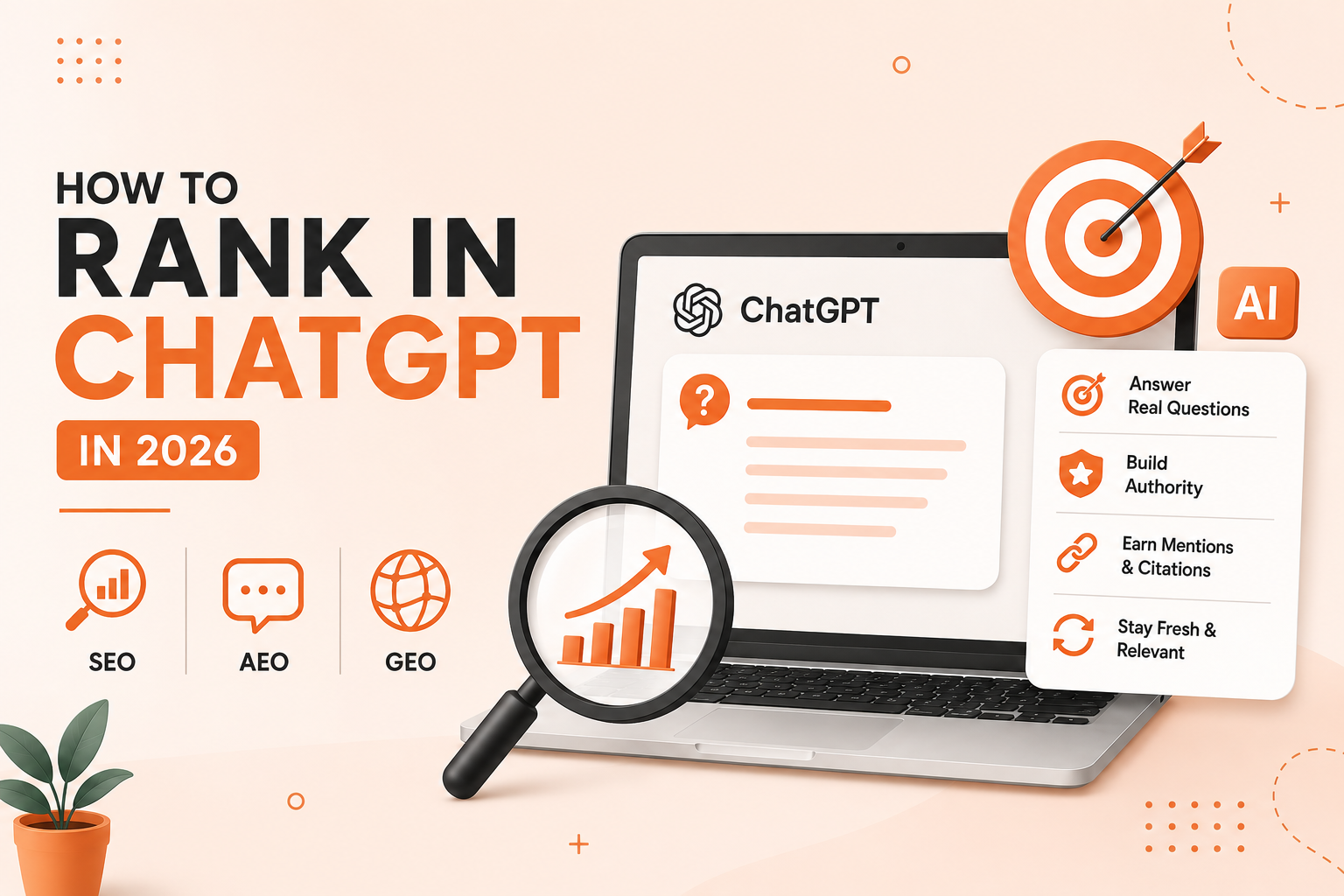
That's the whole idea behind Generative Engine Optimization, or GEO — making sure your content is the stuff AI tools actually pull from when they're building an answer, instead of some competitor's blog post that happened to be clearer or better structured. Think of it as SEO's newer, slightly weirder sibling: same family, different rules.
If you haven't had a leadership conversation yet that starts with "so what's our AI visibility strategy?" — you probably will soon. Here's what GEO actually means, why it's suddenly urgent, and what to do about it without overhauling your entire content team.
Okay, But Why Now?
A few things are converging at once, and honestly, it's a lot to keep up with.
Traditional search isn't going anywhere — Google still handles an enormous volume of searches every day, dwarfing any AI tool. So nobody's obituary-writing Google here. But AI-driven search is growing fast, and buyers are genuinely comfortable bouncing between a Google tab and an AI chat window during the same research session. It's not either/or anymore.
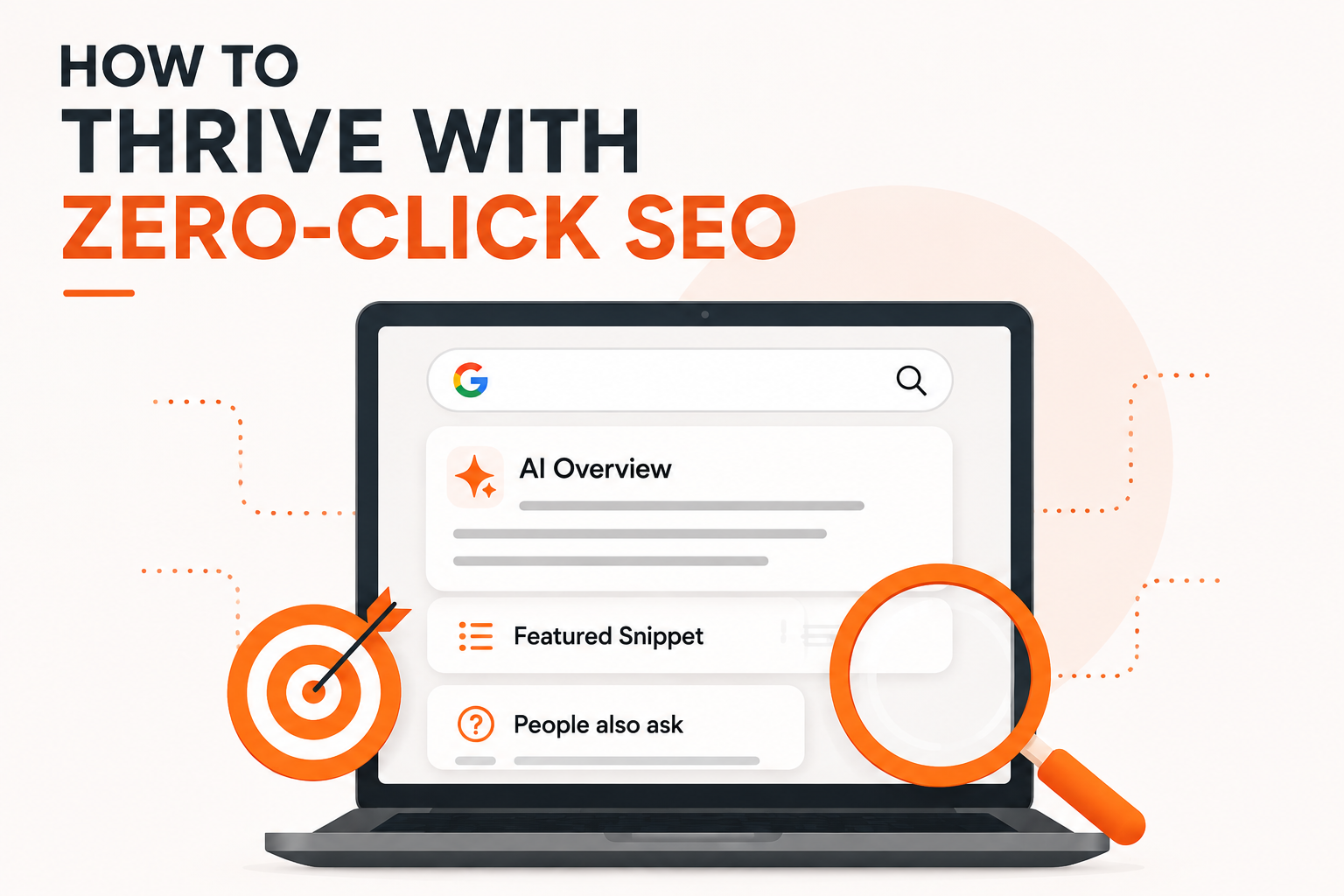
Then there's the click problem. A huge share of searches today end without anyone clicking anything — the answer just... shows up. If you're not the source behind that answer, you don't just lose a click. You lose the entire impression. Nobody even knows you existed as an option.
And if you want proof this isn't marketing hype, look at where the money's going: Adobe paid roughly $1.9 billion to acquire SEMrush, and part of the stated rationale was strengthening AI-visibility capabilities alongside traditional SEO. Companies don't spend that kind of money on trends they think will fade by next quarter.
For B2B specifically, this hits harder than in most categories. Your buyers already do a ton of self-directed research before anyone from sales talks to them. Now a chunk of that research happens inside an AI conversation instead of a browser tab full of open articles — which means if your content isn't built to be understood and cited by AI, you might be invisible during the exact moment someone's deciding who to shortlist.
So How Is This Actually Different From SEO?
SEO gets you listed. GEO gets you quoted.
|
Traditional SEO |
GEO |
|
|
What you're chasing |
A ranking in a list of links |
A mention inside the actual AI answer |
|
What matters most |
Keywords, backlinks, technical SEO health |
Clarity, structure, accuracy, how recently you updated |
|
How you know it's working |
Rankings, organic traffic |
How often you're cited, mentioned, or paraphrased by AI |
|
How you write |
Optimized to earn a click |
Optimized to be understood without one |
Here's the reassuring part, though: GEO isn't a totally separate discipline you need to build from scratch. It leans on a lot of the same fundamentals — authority, trust, good structure — that solid SEO already cares about. Nobody needs two teams and two budgets fighting over the same content. Treat it as one connected system, not a rival initiative.
What Actually Moves the Needle
Lead with the answer, not the buildup. If someone asks "what is X," don't warm up with a story for three paragraphs before defining it. Give the clean, direct answer first — something an AI could lift as-is — then get into the nuance and color afterward. It's less fun to write, honestly, but it works.
Go deep on fewer topics instead of wide on many. Ten shallow posts about vaguely related things won't build authority the way one genuinely excellent, expert-level piece will. This is actually good news if you're a smaller team without a content factory — depth is a fair fight in a way that publishing volume never was.
Don't skip schema markup. It sounds like the most boring item on this list, and it kind of is, but it's also one of the easiest wins. Schema tells AI systems (and search engines) exactly what your content means, not just what words are on the page. Some AI crawlers are also starting to check llms.txt files, basically a signpost pointing to your most trustworthy content — worth having if you haven't already.
Get talked about somewhere other than your own site. Neither Google nor an LLM takes your word for how credible you are. They look for confirmation elsewhere — reviews on G2 or TrustRadius, mentions on Reddit, backlinks, guest posts, PR coverage. It's the digital version of "ask around before you trust a stranger."
Let real humans get credit. Detailed author bios, actual credentials, a visible presence on LinkedIn or podcasts — these help both search engines and AI models tell the difference between "written by someone who knows this world" and "written by no one in particular." Expect more scrutiny at the author level going forward, not just the brand level.
Keep things fresh. AI tools, especially the conversational ones, noticeably favor recently updated content. That old cornerstone post from three years ago that still gets traffic? Give it a refresh instead of leaving it to age quietly.
A Realistic Starting Point (Not a 6-Month Overhaul)
You really don't need to rebuild your whole content library this quarter. A few honest first steps:
- Go back through your best existing posts and FAQ pages and find the parts that already answer a common buyer question clearly — those are your quickest wins.
- Rewrite the openings of a few key pages so they lead with a clean, standalone definition instead of an anecdote.
- Add schema markup to your most important product, service, and FAQ pages.
- Pick 3–5 topics you genuinely want to own, and build real depth there instead of spreading effort thin.
- Spend some energy off your own site — reviews, community mentions, PR — since that's where a lot of the trust signal actually comes from.
- Set a recurring reminder to refresh your top-performing pages instead of letting them fossilize.
How Do You Even Know If It's Working?
This is the part everyone asks about, and honestly the tooling is still catching up. Clicks and rankings won't tell the full story anymore. Start paying attention to how often your brand shows up inside AI-generated answers, which platforms are citing you and for what, and whether any of your leads can be traced back to "I asked an AI and it mentioned you" rather than a classic search click. A wave of new AI-visibility tracking tools has popped up specifically because this gap exists — you don't need to solve measurement perfectly, but even tracking directionally puts you ahead of most competitors who aren't looking at it at all.
The Honest Takeaway
GEO isn't replacing SEO, and it isn't a fad you can wait out. It's just the next layer of being findable, built for a world where a lot of buyers get their first real answer from an AI assistant instead of a page of blue links. You don't need a perfect strategy on day one. Even doing three or four things from the checklist above puts you ahead of most of your competitors, who are still debating whether this is real.
It is. Get started — and if you'd rather not figure it out alone, that's exactly what we do at Straight Growth. We help B2B companies build and run GEO strategy end to end, from content restructuring and schema to authority-building and AI-citation tracking, so you're not just hoping AI tools notice you.
FAQs
1 What is Generative Engine Optimization (GEO)?
GEO is the practice of structuring content so AI tools like ChatGPT, Perplexity, and Google's AI Overviews can easily find, understand, and cite it when answering someone's question — instead of just ranking it in a list of links.
2 How is GEO different from SEO?
SEO earns you a spot in a list of search results. GEO earns you a mention inside the AI-generated answer itself, often with no click involved at all. They share a lot of the same underlying signals — authority, structure, trust — so the two work best as one connected strategy, not separate efforts.
3 Is GEO replacing SEO?
No. Traditional search still handles a massive volume of daily queries, far more than any AI tool right now. GEO is an additional layer on top of SEO, not a replacement for it.
4 Do I need a big team or budget to start with GEO?
Not really. Most of the early wins — rewriting a few key openings to lead with a clear definition, adding schema markup, refreshing your best pages — take time and attention more than budget. Smaller teams can compete here by going deep on a few topics instead of trying to out-publish bigger competitors.
5 How do you measure whether GEO is working?
Traditional metrics like clicks and rankings don't tell the whole story anymore. Track how often your brand is mentioned or cited in AI-generated answers, which platforms are citing you, and whether any leads trace back to AI-assisted discovery. Dedicated AI-visibility tracking tools are emerging specifically to help with this.
6 What's the fastest way to get started with GEO?
Audit your best existing content for sections that already answer common buyer questions clearly, rewrite those openings to lead with the direct answer, and add schema markup to your most important pages. From there, build out depth on a handful of topics you want to own.